
Discover the Future of Transportation: 10 Eye-Opening Examples of Eco-Friendly

Learn about eco-friendly transport options
By reading this article, you will learn:
- Walking and biking are the most eco-friendly transport options.
- Public transportation, car sharing, and carpooling are environmentally friendly alternatives to personal vehicles.
- Electric vehicles and hybrids are sustainable choices for reducing carbon emissions.
1. Walking

Let me be blunt: walking is the ultimate eco-warrior's stride. With a carbon footprint that's virtually nonexistent, every step taken is a silent protest against fossil fuels. I remember the days when I traded my car keys for walking shoes; the rhythmic patter of my feet became a meditative experience, one that connected me with my community and the pulse of nature.
Insider Tip: Urban planners advocate for "walkable cities" which not only promote health but also foster local economies and reduce emissions. The Victoria Transport Policy Institute provides comprehensive research on the benefits of walking as a mode of transport.
2. Biking

Pedaling on two wheels isn't just child's play; it's a declaration of energy independence. In my cycling days, the wind against my face was the sweet taste of zero emissions. Biking isn't merely a mode of transport; it's a culture, a statement, a way of life. Cities teeming with bike lanes are not just a sign of progress but of foresight.
According to the European Cyclists' Federation, cycling can save up to 16 million tonnes of CO2 emissions per year. That's the equivalent of taking 3.5 million cars off the road annually.
3. Scooters
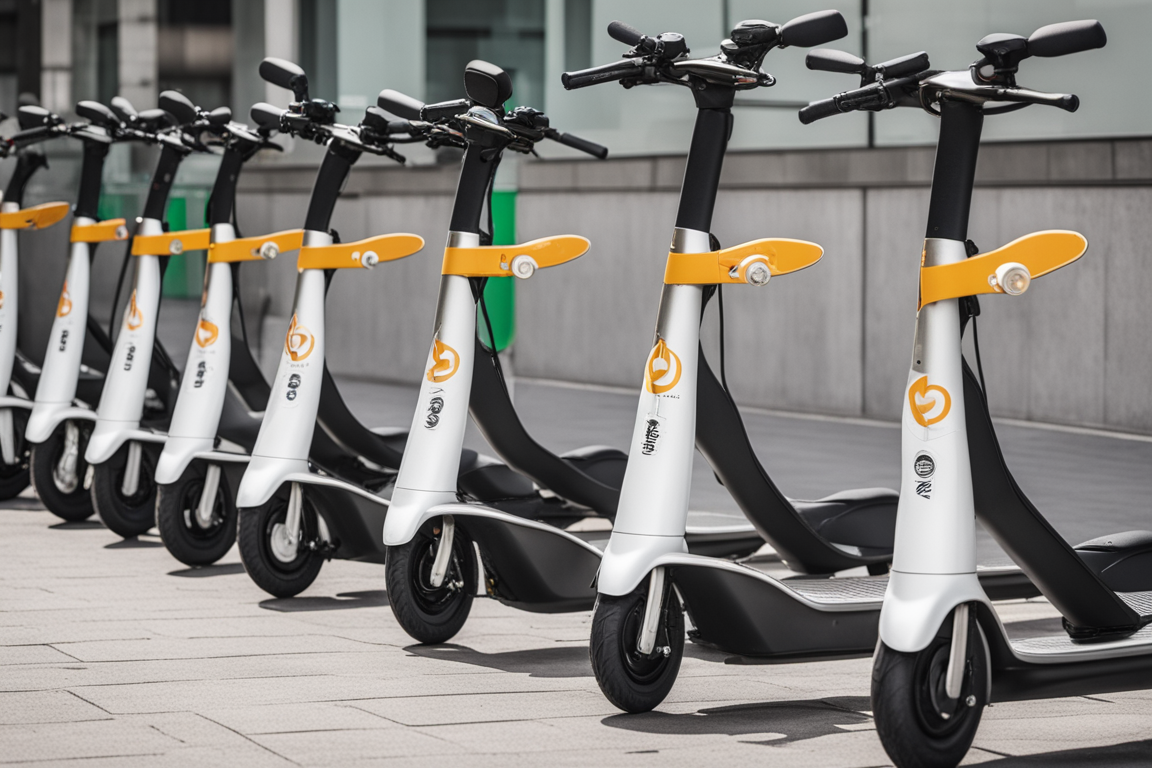
The humble scooter, once a toy, has evolved. Electric scooters have zipped their way into the fabric of urban mobility, cutting emissions one glide at a time. I've zipped past gridlocks on these nifty devices, each time marveling at their simplicity and the ingenuity of compact, clean energy.
With the advent of scooter-sharing programs, the convenience and low environmental impact make this option increasingly popular. Market analysis shows that the shared e-scooter market could reach $41.98 billion by 2030, according to Grand View Research.
4. Public Transportation
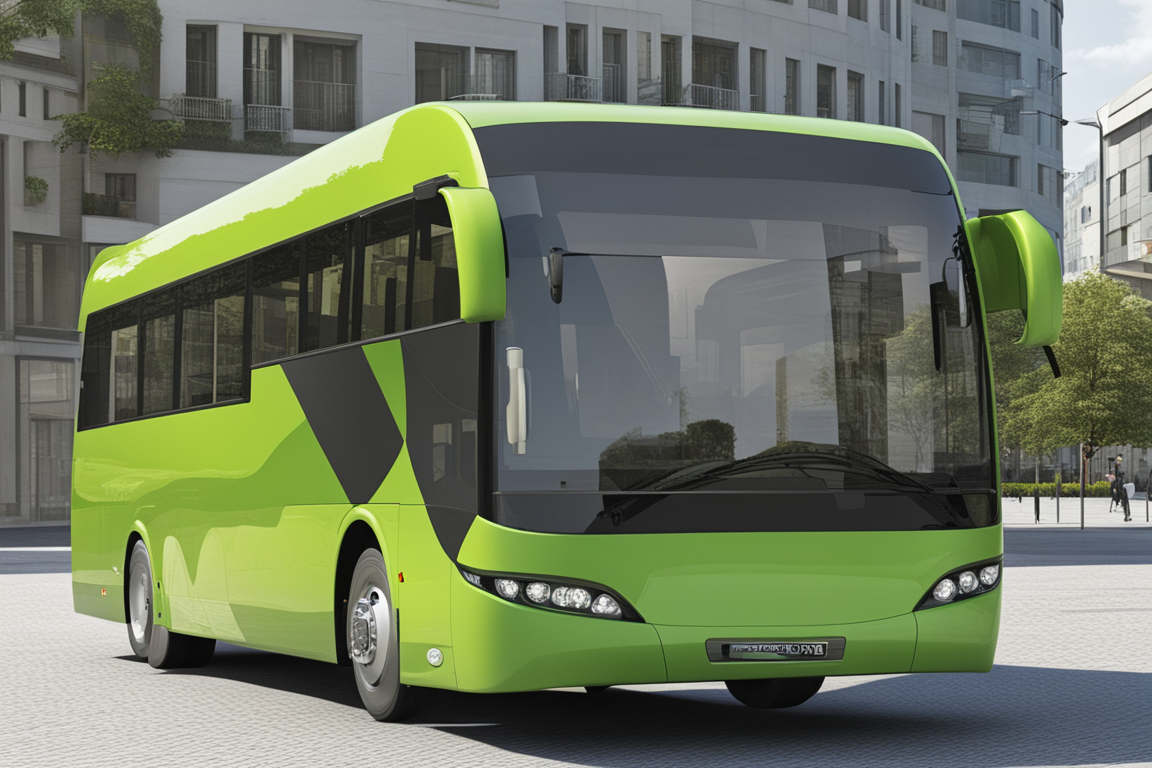
Swapping private cars for public transportation is a collective high-five to the environment. It's a shared journey where our carbon footprints merge into a lighter, communal tread. I've sat in countless buses and trains, each trip a testament to the shared responsibility we hold for our air and cities.
Studies have shown that a single bus can eliminate 30 times its weight in annual greenhouse gas emissions compared to cars. That's not just a statistic; that's a call to action.
5. Car Sharing

Car sharing is not just a savvy economic move; it's an environmental strategy. It's about maximizing utility while minimizing waste. As a once-frequent user of car-sharing services, I can vouch for the reduced traffic congestion and emissions that come with it.
The average vehicle occupancy in the U.S. is around 1.67 persons per vehicle. If car sharing could increase this number, even slightly, the impact on emission reduction would be significant.
6. Carpooling
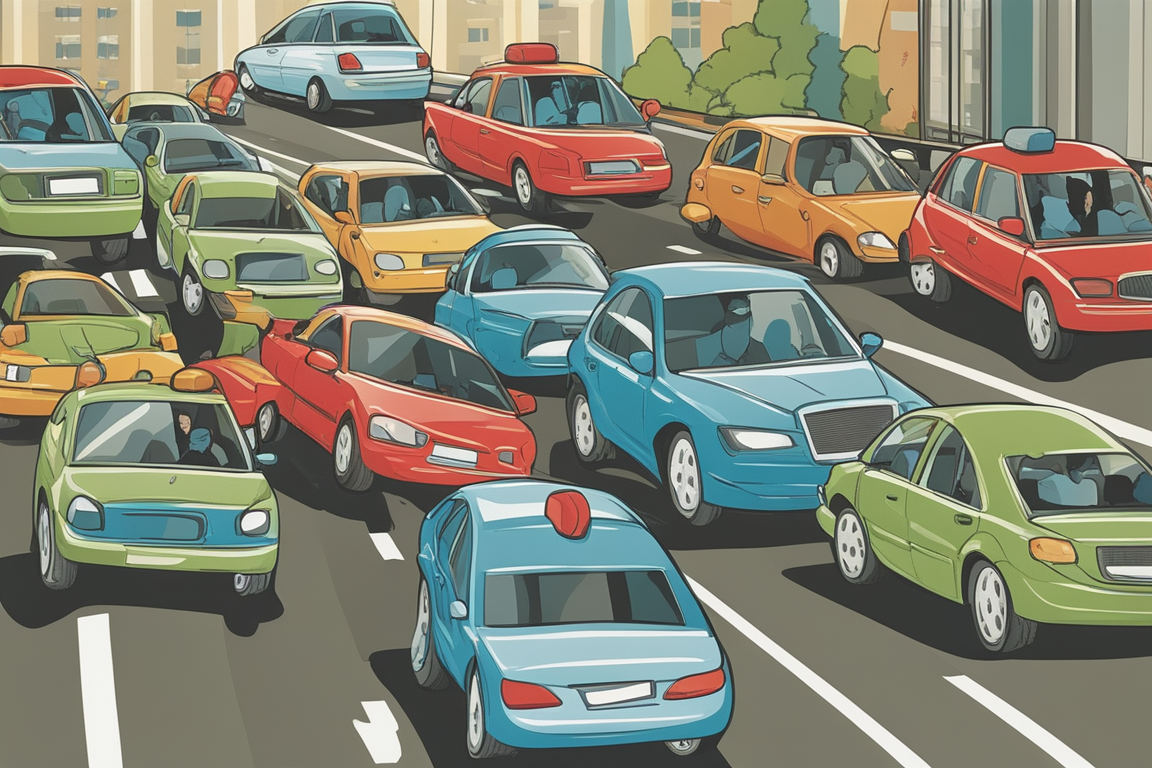
Carpooling is the grassroots movement of eco-friendly transport. It's about community, conversation, and cutting down on carbon—one shared ride at a time. I've forged unexpected friendships in carpools, and each journey shared was a step towards a greener planet.
In the U.S., carpooling saves approximately 85 million gallons of gasoline per year, reducing the collective carbon footprint by about 1.6 million tons of CO2. These are more than numbers; they're milestones of change.
7. Vanpooling
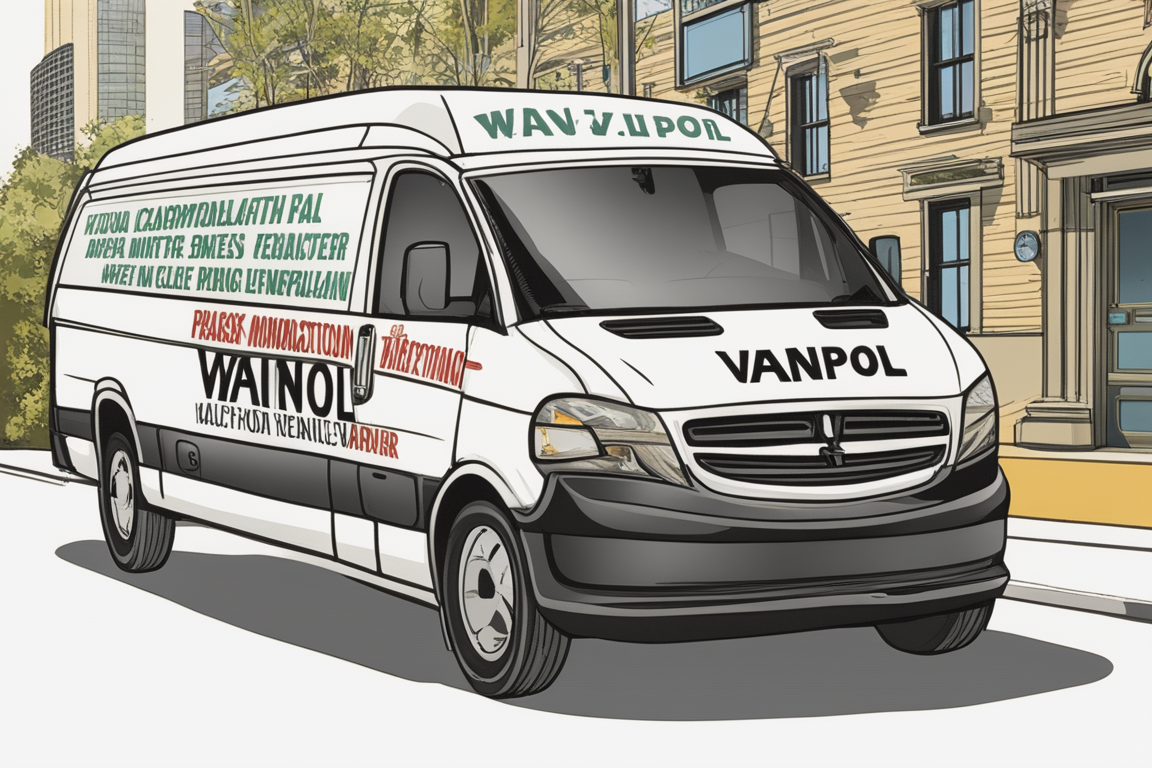
Vanpooling takes the carpool concept and scales it up, offering an efficient transit alternative for longer commutes. I've witnessed vanpools turn highways into arteries of sustainable transit, each van a vessel for environmental stewardship.
A single vanpool can save an estimated 54,000 pounds of carbon dioxide per year. That's a tangible impact, one that can be felt in the air we breathe and the communities we cherish.
8. Electric Vehicles
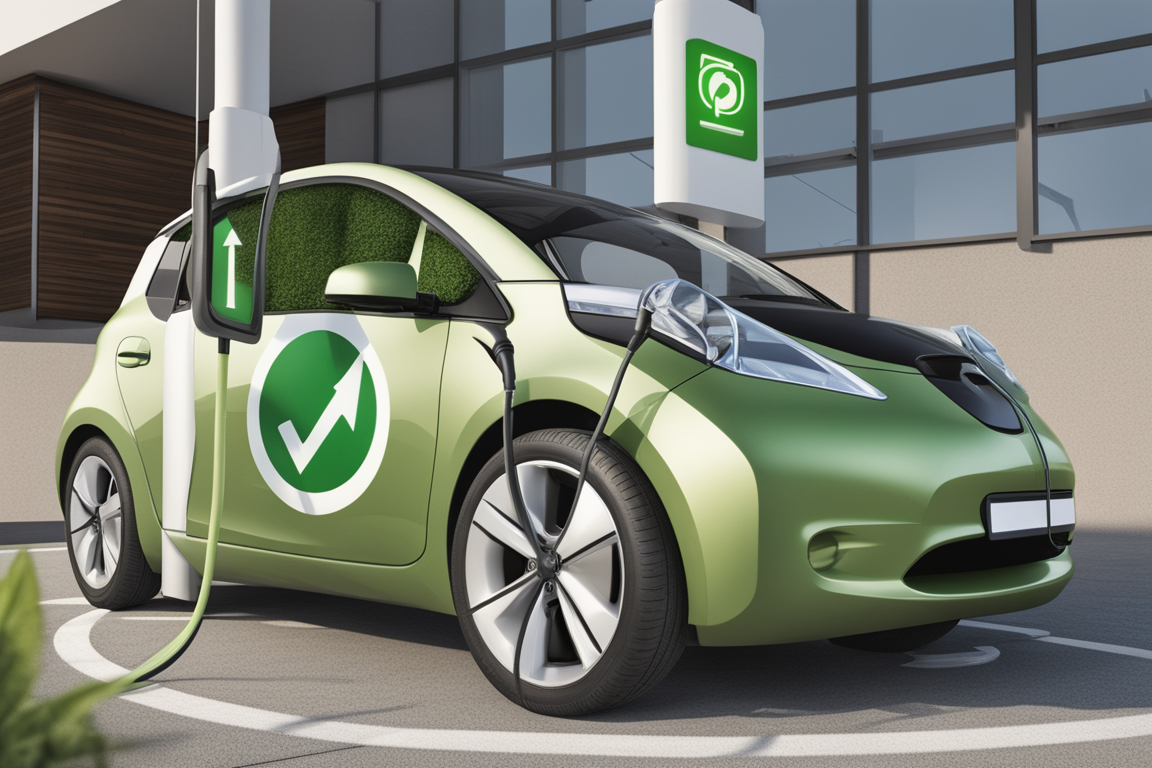
Electric Vehicles (EVs) are the poster children of environment-friendly transport. They're not just vehicles; they're harbingers of a clean energy revolution. My experience with EVs has been transformative, each silent mile driven a rebellion against the internal combustion engine's reign.
With the global electric vehicle market expected to reach $802.81 billion by 2027, according to Allied Market Research, the trajectory is clear: EVs are the future, and the future is electric.
9. Hybrids
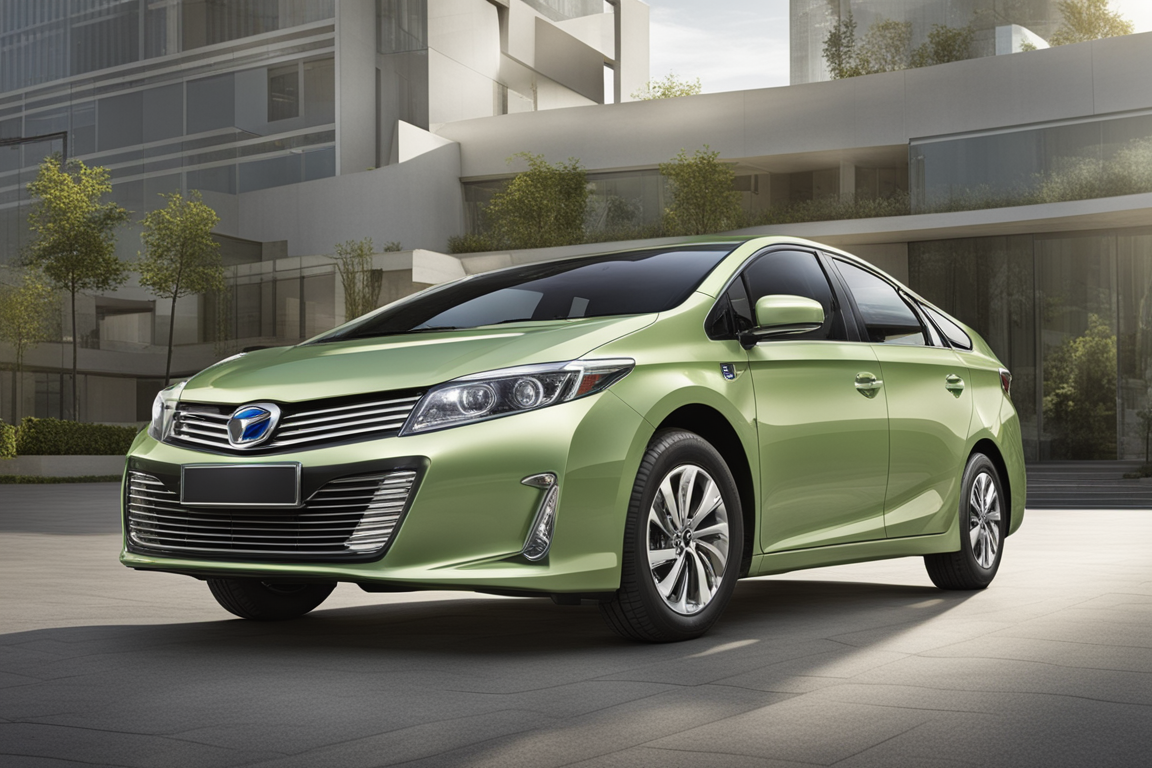
Hybrids are the bridge between traditional engines and the future of EVs. They offer a compromise, a middle ground, a step towards reducing emissions for those not ready to go fully electric. My time with a hybrid was eye-opening, witnessing the synergy between gasoline and electricity to maximize efficiency and minimize harm.
The U.S. Department of Energy confirms that hybrid vehicles can reduce smog-forming pollutants by up to 90% compared to conventional vehicles. It's a significant stride towards cleaner air.
10. Telecommuting

Telecommuting, or remote work, is the ultimate reduction in commuting emissions—because there's no commute. It's the invisible mode of transport, where data travels instead of people. My own shift to telecommuting slashed my carbon footprint and reaffirmed my belief that sometimes, the best way to move forward is to stay put.
The environmental benefits are clear, with Global Workplace Analytics estimating a reduction of 54 million tons of greenhouse gas emissions per year if those with telework-compatible jobs worked remotely half the time.
How to Choose the Most Eco-Friendly Mode of Transportation:
The Benefits of Telecommuting
In my experience, telecommuting has been an incredibly eco-friendly mode of transportation. I used to spend hours commuting to and from work, consuming large amounts of fuel and emitting harmful pollutants into the air. However, since my company adopted a telecommuting policy, I have been able to work from home several days a week, significantly reducing my carbon footprint.
Not only has telecommuting reduced my environmental impact, but it has also provided me with a better work-life balance. I no longer have to endure long commutes, and I have more time to spend with my family and pursue personal interests. Additionally, telecommuting has helped me save money on fuel and vehicle maintenance costs.
Overall, telecommuting has been a sustainable and practical solution for both the environment and my personal well-being. I strongly believe that more companies should consider implementing telecommuting policies to promote eco-friendly practices and improve the quality of life for their employees.
Choosing the most eco-friendly mode of transport is a nuanced affair. It's about assessing distance, accessibility, and your personal circumstances. Consider the following:
- Proximity: If your destination is within walking or biking distance, opt for these zero-emission champions.
- Infrastructure: Evaluate if your area supports electric or shared transport. No charging stations or bike lanes? Advocate for them.
- Community: Embrace carpooling or vanpooling if you crave social interaction alongside sustainability.
- Technology: If you can afford an EV or hybrid, you'll be driving change—literally.
- Flexibility: If your job permits, telecommuting is the greenest choice, hands down.
In conclusion, the transport choices we make are the footprints we leave on the planet. The 10 modes discussed are more than alternatives; they're pathways to a sustainable future. Every journey we undertake is an opportunity to vote for the world we want to inhabit—one where every mile matters and every choice counts.
Frequently Asked Questions
Q.What is environment friendly transport?
A.Environment friendly transport refers to vehicles that produce low or no emissions, such as electric cars or public transit.
Q.How can I contribute to environment friendly transport?
A.You can contribute by using public transit, carpooling, biking, or choosing electric or hybrid vehicles.
Q.Who benefits from environment friendly transport?
A.Everyone benefits, as it reduces air pollution, conserves energy, and helps combat climate change.
Q.What if I need to travel long distances?
A.You can consider options like hybrid cars, high-speed trains, or offsetting carbon emissions through reputable programs.
Q.How can I overcome the cost barrier of eco-friendly transport?
A.Look for government incentives, tax credits, or consider the long-term savings on fuel and maintenance costs.
Q.What are the objections to environment friendly transport?
A.Some may argue about limited range of electric cars, or the initial cost of purchasing eco-friendly vehicles.


.png)
.png)
