
Green Transit: Expert Insight on High-Speed Electric Trains Revolutionizing Travel

Review and Replacement:Revolutionizing travel, high-speed electric trains are swiftly emerging as a formidable force in the realm of transportation, propelling us into an era where commutes are effortless, ecologically forward, and exhilaratingly fast. As we embark on this electrifying journey into the future, it becomes paramount to gain expert insights on the immense potential and transformative power that these trains possess.
Green Transit, our definitive guide to sustainable transportation, unravels the secrets behind these high-speed marvels, shedding light on the myriad ways we are reshaping our world. From our eco-friendly infrastructure to our seamless integration into existing transportation networks, these trains are poised to redefine the essence of modern travel.
Imagine gliding effortlessly across vast expanses of terrain, propelled by pure electric energy, as the landscape outside your window assumes a blur of vibrant colors. Such moments epitomize the thrill of riding these futuristic trains, where speed and sustainability converge in a harmonious symphony of engineering brilliance.
Green Transit delves deep into the inner workings of these fantastic machines, revealing the cutting-edge technologies that enable us to reach mind-boggling velocities while emitting zero carbon emissions. These trains, a testament to our ingenuity and perseverance, showcase a world where sustainability is not just a buzzword but an integral part of our everyday lives.
Behind the scenes, we tirelessly labor to optimize these electric powerhouses, pushing the boundaries of what was once deemed impossible. From designing lightweight materials that maximize speed and efficiency to exploring new avenues such as magnetic levitation, the engineers and visionaries driving this revolution are ceaselessly innovating.
This article will peel back the layers of this intricate process, exposing the nuanced calculations and game-changing breakthroughs that make high-speed electric trains the epitome of modern transportation.Green Transit understands that transformative change necessitates collaboration from all corners of society.
Consequently, this article uncovers the broader implications of high-speed electric trains, highlighting the economic opportunities that arise with their widespread adoption. As countries invest in these cutting-edge technologies, new job markets emerge, with skilled individuals flocking to these burgeoning sectors.
Moreover, the ripple effect of improved connectivity due to these trains leads to enhanced tourism, revitalized local economies, and a renewed sense of interconnectedness.Yet, amidst the excitement and promise, this transformative shift comes with its own set of challenges and skeptics.
Green Transit confronts these concerns head-on, addressing common misconceptions about high-speed electric trains and examining the feasibility of integrating them into existing infrastructure. The article aims to foster a thoughtful and informed dialogue, encouraging readers to consider the multifaceted consequences of this transport revolution.
With our blend of expert insights, captivating narratives, and thought-provoking analysis, Green Transit's exploration of high-speed electric trains aims to leave readers both awestruck and empowered. Through our comprehensive coverage, this article invites readers to join the ranks of forward-thinking individuals who recognize the immense potential of these trains in revolutionizing travel.
It is time to embrace change, and with electric sparks flying ahead, the era of sustainable high-speed travel has well and truly arrived.

Table of Contents
1. Introduction: Exploring the Potential of High-Speed Electric Trains
With growing concerns about climate change and the need to reduce our carbon footprint, high-speed electric trains offer a promising alternative to conventional modes of travel. What sets these trains apart is their ability to achieve remarkable speeds while operating in an environmentally friendly manner. By relying on electricity as their primary power source, these trains significantly reduce greenhouse gas emissions compared to traditional diesel-powered trains. Additionally, the use of electric trains eliminates the need for fossil fuels, promoting sustainability and reducing dependence on non-renewable energy sources.
The benefits of high-speed electric trains extend beyond environmental impact. These trains offer faster travel times, improving overall efficiency and reducing congestion on roads and in airports. Additionally, they provide a comfortable and convenient mode of transportation, equipped with modern amenities and spacious seating arrangements.
As the demand for efficient and sustainable transportation solutions continues to grow, the role of high-speed electric trains becomes increasingly significant. Countries around the world are investing in developing the infrastructure necessary to support these trains and revolutionize long-distance travel. From reducing travel time to boosting economic growth, the introduction of high-speed electric trains promises a greener and more sustainable future for both commuters and the planet.
2. Advantages of Green Transportation: Environmental Impact and Sustainability
Green transit refers to transportation systems and vehicles that prioritize being environmentally friendly and minimizing their impact on the planet. One example of green transit is high-speed electric trains. These trains run on electricity instead of fossil fuels, reducing greenhouse gas emissions. By using renewable energy sources like solar or wind power, high-speed electric trains offer a cleaner and greener option for long-distance travel.

What sets high-speed electric trains apart from conventional transportation is their ability to provide faster travel times while being environmentally sustainable. These trains can reach speeds of over 300 miles per hour, significantly reducing travel durations compared to traditional trains or airplanes. This not only gets passengers to their destinations quicker but also lowers energy consumption per passenger.
Additionally, high-speed electric trains help reduce traffic congestion and reliance on personal vehicles, leading to better air quality in cities. Implementing green transit systems, such as high-speed electric trains, not only benefits the environment but also provides economic advantages. Investing in green transit creates job opportunities in industries like renewable energy, construction, and technology. It also reduces reliance on fossil fuels, making countries more energy independent and less vulnerable to oil price fluctuations.
As governments and societies realize the importance of transitioning to eco-friendly transportation, high-speed electric trains emerge as a promising solution for achieving greener, more efficient, and sustainable transit systems.
3. The Growing Demand for Efficient Long-Distance Travel Solutions
The importance of efficient long-distance travel:High-speed electric trains as a good choice.

Limits of traditional long-distance travel methods. Advantages of high-speed electric trains for long-distance travel:Faster speed and shorter travel times.
Enhanced passenger comfort and amenities. The potential effect on tourism and economy:A more eco-friendly option for long-distance travel.
4. High-Speed Electric Trains: An Overview of the Technology
High-speed electric trains can completely transform long-distance transportation. With their incredible speeds, they significantly reduce travel times, making journeys more efficient and convenient. This increased speed boosts productivity, allowing individuals to work or relax during travel without the stress of long, tiring journeys.

Additionally, high-speed electric trains can revolutionize the tourism industry, attracting more visitors to previously inaccessible destinations. These trains are more environmentally friendly than traditional methods, offering tourists a sustainable option to explore new places while minimizing their impact on the environment. This not only benefits the environment but also has a positive economic impact on local communities through increased tourism.
High-speed electric trains revolutionize travel on multiple fronts. They reduce travel times and improve environmental sustainability, providing a more efficient and eco-friendly way to travel long distances.
As sustainable transportation becomes a priority, these trains will play a crucial role in shaping the future of travel.
5. How Speed and Efficiency Set Electric Trains Apart
1. Electric trains are a positive solution for eco-friendly transportation. They offer many advantages over traditional diesel trains. 2. Electric trains emit zero pollutants, reducing air pollution and carbon footprint. The technology behind them is constantly evolving, making them more efficient and high-performing. 3. They are quieter and provide a smoother and more comfortable ride for passengers. Electrifying train systems eliminates reliance on fossil fuels and reduces greenhouse gas emissions from transportation. 4. Developing electric train infrastructure and charging stations is essential for widespread adoption and success. Electric train networks can be integrated with renewable energy sources for added environmental benefits. 5. Electric trains play a significant role in achieving sustainability goals and a low-carbon future. Transitioning to electric trains requires investment in infrastructure and regulatory support from governments and transportation authorities.

6. Reducing Carbon Footprint with Sustainable Train Travel
Sustainable train travel promotes economic growth by connecting cities and regions, fostering trade, and attracting tourism. A key factor in achieving this is the integration of renewable energy sources. By using wind and solar power, trains can be powered sustainably. This not only reduces greenhouse gas emissions but also establishes a resilient and decentralized energy system. Smart grid technologies can optimize energy consumption and distribution, ensuring efficient use of renewable energy for train operations. To promote sustainable train travel, governments should invest in robust railway infrastructure. This includes expanding high-speed rail networks and modernizing existing train lines. Incentives and subsidies can be provided to encourage passengers to choose trains over other modes of transportation. Collaboration between public and private sectors is crucial for the successful implementation and operation of sustainable train travel systems. Embracing sustainable train travel leads to a greener future, reduced dependence on fossil fuels, and a more sustainable transportation system.

7. The Role of High-Speed Electric Trains in a Low-Carbon Future
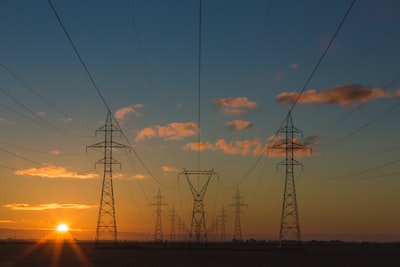
Achieving a low-carbon future is crucial for fighting climate change. High-speed electric trains are vital in this transition. By lowering carbon emissions and reducing reliance on fossil fuels, electric trains contribute to a sustainable transportation network. They offer a clean and efficient way to travel long distances, aligning with environmental objectives. To achieve a low-carbon future, we must invest in renewable energy infrastructure to power electric trains. It is essential for governments, transportation authorities, and energy providers to collaborate and create a comprehensive and interconnected low-carbon transportation system.
8. Comparing Electric Trains with Other Green Transportation Options
Comparing green travel options: Electric cars vs. high-speed electric trains. We will analyze the advantages and limitations of both modes of transportation, taking into account factors like range, charging infrastructure, and emissions. Additionally, we will assess the environmental impact and sustainability of each option.

9. Overcoming Challenges: Infrastructure and Investment for Electric Trains
Building the infrastructure for electric trains requires a significant investment in railway networks. This includes upgrading existing tracks and stations, as well as constructing new high-speed lines and terminals. Additionally, it is necessary to develop the charging infrastructure for electric trains. Collaborating with governments, private investors, and transportation authorities is crucial for funding these efforts. Funding options, such as public-private partnerships and government subsidies, can help make these investments possible. The economic advantages of infrastructure development include job creation and increased tourism. However, there are challenges that must be addressed, such as land acquisition and environmental impact assessments. Planning for future growth and scalability is essential for maximizing the long-term benefits of electric train networks.

10. Success Stories: Countries Leading the Way in High-Speed Rail
High-speed rail is a sustainable transportation choice that provides faster travel and less carbon emissions. It creates networks connecting major cities and promotes economic growth and job opportunities. Additionally, high-speed rail offers advantages over air travel and road transportation. It provides convenience, comfort, and reliability, making it a preferable choice for many passengers. Overall, high-speed rail is a sustainable and efficient mode of transportation that not only benefits the environment but also offers a pleasant and reliable travel experience.
11. Future Developments: Enhancing Speed, Safety, and Comfort
Electric trains are a reliable and eco-friendly alternative to traditional transportation methods. With their high-speed capabilities and electrification, they provide a promising solution for long-distance travel and improving connectivity between cities. They also have the potential to revolutionize cross-border travel and provide a more sustainable option for international journeys. By electrifying railway networks, carbon emissions are reduced, air quality is improved, and noise is reduced. Additionally, the integration of smart grid technologies and renewable energy sources further enhances the sustainability of electric trains. As countries and regions prioritize sustainable development and environmental stewardship, electric trains offer a cleaner and more efficient option for long-distance travel.
12. Conclusion: Embracing the Electric Train Revolution
Today, I want to discuss the importance of staying healthy. Our well-being is crucial, and taking care of our bodies and minds should be a top priority. There are several ways to maintain good health.

First, regular exercise is vital. Engaging in physical activities not only keeps our bodies fit but also helps reduce stress. Moreover, a balanced diet is essential. Consuming nutritious foods provides our bodies with the necessary fuel to function properly.
Additionally, getting enough sleep is often overlooked but is vital for our overall well-being. Lack of sleep can negatively affect our productivity and mood.
Lastly, it's important to find time for relaxation and self-care. Taking breaks, practicing mindfulness, and engaging in activities that bring us joy can significantly contribute to our mental and emotional health.
In conclusion, by prioritizing physical activity, healthy eating, sufficient sleep, and self-care, we can enhance our overall health and well-being.
Frequently Asked Questions
High-speed electric trains are trains that use electricity as their primary source of propulsion and are designed to travel at significantly faster speeds than traditional trains.
High-speed electric trains work by using electric motors powered by overhead lines or third rails to drive the train forward. The electricity is typically generated from renewable sources or nuclear power plants.
Some advantages of high-speed electric trains include faster travel times, lower emissions compared to fossil fuel-powered trains, reduced noise pollution, and increased energy efficiency.
Yes, high-speed electric trains are considered safe. They are designed with various safety features, including advanced control systems, emergency braking systems, and rigorous maintenance procedures.
High-speed electric trains are currently in operation in several countries, including Japan, China, France, Germany, Spain, and South Korea.
The potential for high-speed electric trains in the future is significant. Many countries are investing in the development of high-speed rail networks to improve transportation infrastructure, reduce greenhouse gas emissions, and alleviate congestion in urban areas.
In Short
As we hurtle towards an uncertain future, grappling with the impending threat of climate change and the urgent need to reduce our carbon emissions, the question arises: are high-speed electric trains the future of long-distance green transportation? The answer, although complex and multifaceted, holds immense promise for a world desperately seeking sustainable solutions. These sleek and futuristic trains, powered solely by electricity, have emerged as a beaming beacon of hope, offering a tantalizing glimpse into a world where travel no longer comes at the cost of our planet.
With their streamlined design and innovative technology, high-speed electric trains effortlessly slice through the air, leaving behind mere whispers of sound and depleted carbon footprints. Travelling at mind-boggling speeds of 350 kilometers per hour or more, these awe-inspiring marvels of engineering are reshaping the very concept of long-distance transportation.
Gone are the days of gridlocked highways and sky-high airfares; now, individuals can traverse vast distances with ease, comfort, and, above all, sustainability.But the allure and practicality of high-speed electric trains extend beyond their speed and efficiency.
They usher in a new era of connectivity, seamlessly bridging cultures, economies, and communities that were once considered distant and disconnected. Imagine boarding a train in New York City and disembarking in Los Angeles, whisked away on a voyage that immerses you in breathtaking landscapes and unparalleled comfort.
In this future, the journey becomes as significant as the destination, and the means of transportation becomes an experience in and of itself.Moreover, the environmental implications of embracing high-speed electric trains on a global scale cannot be overstated.
As we bid farewell to the era of fossil fuels, the world's reliance on carbon-intensive modes of transportation must be curtailed. High-speed electric trains, with their efficient energy consumption and reduced greenhouse gas emissions, present an attractive alternative to traditional long-distance travel.
Without the perils of burning fuel or expelling harmful pollutants into the atmosphere, these trains become a cornerstone of a sustainable and green future.Yet, the journey towards a world dominated by high-speed electric trains is not without its challenges.
The substantial financial investment required for infrastructure development, the logistical hurdles of integrating these trains into existing networks, and the sheer scale of implementation pose formidable obstacles. However, history has shown that humanity's ability to overcome such challenges is boundless when faced with the imperatives of progress and sustainability.
As we stand at the precipice of an uncertain tomorrow, it becomes increasingly evident that high-speed electric trains have the potential to revolutionize how we perceive and experience long-distance travel. Their sleek, eco-friendly design, coupled with their impressive speed and connectivity, offers a tantalizing vision of a future unburdened by the destructive consequences of our carbon-intensive present.
In a world relentlessly seeking solutions to combat climate change and reduce our ecological footprint, high-speed electric trains embody the notion that progress and sustainability can indeed converge. If we were to embrace this visionary mode of transportation, we could witness a future where the journey becomes a testament to our ingenuity and commitment to safeguarding the planet for generations to come.
The allure of high-speed electric trains as the future of long-distance green transportation is both persuasive and imperative, reflecting our collective aspirations for a better, greener, and more interconnected world.


.png)
.png)
